


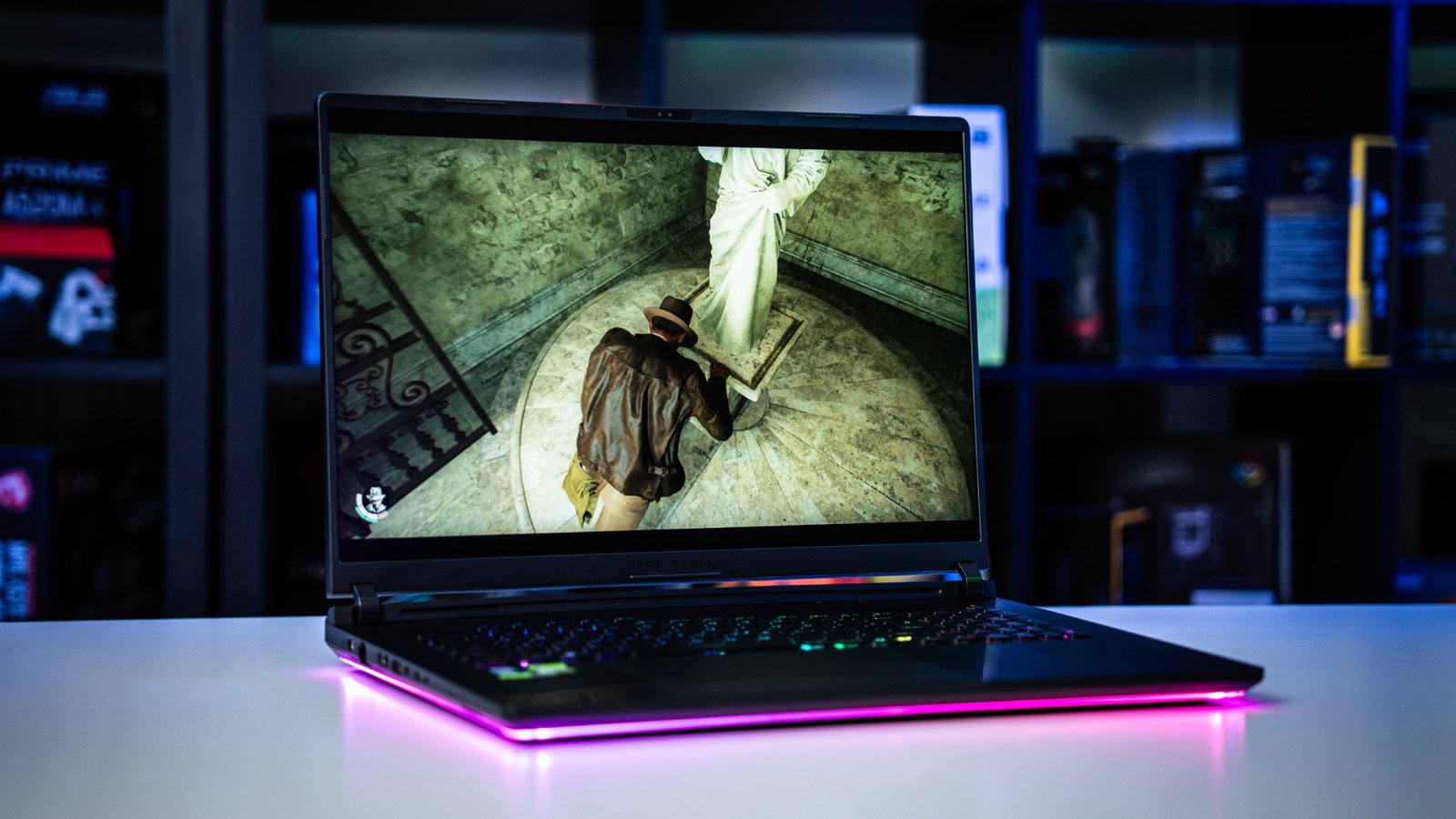
If you were planning to upgrade your laptop this year, you may want to brace yourself. Industry analysts now expect laptop and desktop prices in India to rise by as much as 35% in 2026, driven primarily by a surge in the cost of memory, processors and graphics chips.
This is happening right after India’s PC market delivered its strongest year on record in 2025, shipping 15.9 million units, up 10.2% from the previous year and crossing the 15‑million mark for the first time. Now, the same market is staring at a possible 7–8% decline in shipments in 2026 as higher prices threaten to choke demand.
This isn’t just about “gadgets getting expensive.” PCs are now core tools for education, remote work, small businesses, content creators and gamers. A steep, broad‑based price rise will affect household budgets, upgrade cycles and even listed companies in the tech and hardware ecosystem.
Let’s unpack what’s going on, who is likely to feel the most pain, and how you can plan around it.
What Exactly Is Happening to Laptop and PC Prices?
Reports based on industry data suggest that laptop and desktop prices in India could rise by up to 35% over the course of 2026.
The main drivers:
- DDR RAM prices have already surged 2.5–3×, pushing end‑device prices up by roughly 10–12% so far.
- Analysts expect another 8–10% price increase in March, followed by a further ~10% hike in the next few months as the component up‑cycle continues.
- Devices that used to sell for ₹30,000–₹35,000 are now inching towards ₹45,000 as entry‑level configurations get repriced.
IDC analysts quoted in these reports say pricing pressure could last for six to seven quarters, with meaningful relief only likely in the second half of 2027, once supply catches up with demand.
How the price build‑up looks
You can think of the price evolution roughly like this (illustrative, not a quote from a single vendor):
| Period | Typical Entry‑Level Price Band | Main Drivers |
|---|---|---|
| Early 2025 | ₹30,000 – ₹35,000 | Normal memory and CPU pricing |
| Early 2026 (today) | ₹35,000 – ₹40,000+ | DDR RAM up 2.5–3×, GPUs and CPUs rising |
| Mid–Late 2026 (projected) | ₹40,000 – ₹45,000+ | Additional 15–20% component cost increase over 2025 |
Across the stack, AI‑driven demand for memory and compute is colliding with constrained supply and geopolitical risk. To understand why, we need to look inside the bill of materials.
Why Are Components Getting So Expensive?
1. DDR RAM and NAND: AI’s hunger for memory
Memory is at the heart of this story.
- DRAM (including DDR RAM) and NAND flash prices have shot up sharply as chipmakers redirect capacity towards high‑margin AI servers and high‑bandwidth memory.
- Counterpoint’s memory trackers show DRAM and NAND prices for many consumer applications have risen several‑fold over the past year as manufacturers prioritise AI workloads.
- In India, some reports suggest RAM module prices 3–4× higher than early‑2025 levels for popular capacities.
Where memory and storage once accounted for 10–15% of a typical PC’s bill of materials, they can now make up 30–40% at current price levels in some configurations.
In other words:
A part of the laptop that used to be “just one small line item” on the cost sheet is now one of the biggest cost blocks.
2. Processor shortages, especially at the entry level
Alongside memory:
- There is a shortage of entry‑level Intel processors, which are critical for budget laptops and desktops.
- Vendor comments suggest that as OEMs chase AI‑ready and higher‑margin SKUs, low‑end CPUs get deprioritised, reducing the availability of cheaper machines.
This squeezes the bottom of the market:
- Fewer truly “budget” configurations
- More forced upgrades to mid‑tier chips, even for basic use cases
3. GPUs and discrete graphics costs rising
Demand for GPUs is booming:
- High‑end GPUs are in short supply globally because of data centre AI training, cloud gaming, and professional workloads.
- Consumer GPU prices are expected to rise further in 2026 as manufacturers continue to favour enterprise‑grade products.
Even though not every laptop uses a discrete GPU, gaming laptops, creator laptops and mid‑to‑high‑end desktops are especially exposed.
4. Macro factors: dollar, inflation, and geopolitics
Component inflation is being amplified by:
- Dollar volatility and currency swings, which affect imported electronics pricing
- General inflation in logistics, energy and manufacturing inputs
- West Asia tensions and the risk of disruption in routes like the Strait of Hormuz, which is critical for energy and petrochemical shipments
Experts note that any lasting disruption around Hormuz could raise costs for petrochemical‑based inputs used in semiconductor manufacturing, indirectly but meaningfully, over time.
While such an effect would be delayed, it adds another layer of uncertainty to an already tight supply situation.
India’s PC Market: From Record Highs to a Likely Slowdown

The timing of this cost shock is unfortunate, because India’s PC market has just had its best year ever.
2025: A record year
According to IDC and corroborating industry reports:
- Total traditional PC shipments (desktops, notebooks, workstations) in India hit 15.9 million units in 2025, up 10.2% year‑on‑year.
- This is the first time shipments have crossed 15 million units annually, surpassing even pandemic‑era peaks.
- Q4 2025 alone saw about 4.1 million units shipped, an 18.5% YoY increase.
The growth engines:
- Strong notebook demand from both consumers and businesses
- Enterprise and SMB refresh cycles, including Windows upgrades and new workloads
- Rising demand for gaming, content creation and remote work/learning use cases
2026: A price‑driven slowdown
Those same trackers now warn that, after 2025’s high:
- The Indian PC market could see a 7–8% decline in 2026 shipments, as cost increases filter through to retail prices.
- Some estimates put the likely range at 6–8% lower volumes, with the consumer segment hit hardest and gaming upgrades slowing by 10–15%.
| Metric | 2025 (Actual) | 2026 (Projected) |
|---|---|---|
| Total PC shipments | 15.9 million units | ~14.6–15.0 million units (‑6% to ‑8%) |
| YoY growth | +10.2% | –6% to –8% |
| Key driver | Enterprise & SMB upgrades | Component‑cost‑driven demand slowdown |
So we’re going from:
“Best year ever for PCs in India” → “A year of price‑induced demand fatigue”.
Who Gets Hit the Hardest?
1. Entry‑level buyers: students, home users, first‑time purchasers
This group is likely to feel the pain most sharply:
- Students, home users and first‑time buyers are extremely price‑sensitive.
- A jump from ₹30–35k to ₹40–45k can push a device out of reach for many families, or delay purchase by months.
- Many will either:
- Postpone upgrades,
- Settle for lower‑spec machines (less RAM, slower processors, HDD instead of SSD), or
- Shift part of their workload to shared devices or smartphones.
2. Budget desktop / assembled PC enthusiasts
The assembled PC market is also under pressure:
- RAM and storage price spikes mean entry‑level builds suddenly cost as much as mid‑range rigs did earlier.
- Black markets and grey‑channel components are pushing some hobbyists to take higher risk to save costs.
- Enthusiast PC builders report that regular home/gaming customers are pulling back, as they are unwilling to pay 3–4× for components they bought cheaply 1–2 years ago.
3. Small businesses with thin IT budgets
SMBs that:
- Upgraded aggressively in 2025, or
- Had planned bulk purchases for 2026,
now face a harder choice:
- Buy fewer machines,
- Stretch existing hardware for longer (longer refresh cycles), or
- Accept lower specs to stay within budget.
This doesn’t stop digitisation, but it can slow the pace of hardware modernisation in smaller firms.
Who Is Relatively Less Affected?
1. Premium consumers: gamers, creators, professionals
Premium buyers—those shopping for:
- High‑end gaming laptops / desktops
- Creator workstations
- AI‑capable machines and powerful business notebooks
are relatively less price‑sensitive:
- They may grumble at a 10–20% hike, but still buy because they need the performance.
- For this segment, value is framed as throughput, productivity, or FPS, not just sticker price.
Analysts expect premium and professional segments to remain relatively resilient, even if entry‑level demand softens.
2. Large enterprises and institutions
Enterprises:
- Often have multi‑year refresh policies and budgets.
- May delay or extend refresh cycles slightly, but generally can’t stop buying PCs entirely.
- Are sometimes mid‑way through big commitments (like government education tenders or corporate upgrades).
IDC and Omdia both highlight that commercial shipments, especially in the enterprise and education segments, will continue—albeit at a somewhat lower pace.
A Simple “Impact by Segment” Snapshot
| Segment | Price Sensitivity | Likely Behaviour in 2026 |
|---|---|---|
| Students & first‑time home buyers | Very High | Delay purchases, pick lower specs, or share devices |
| Budget / assembled desktop buyers | Very High | Fewer builds, down‑spec, some move to grey market |
| Small & mid‑sized businesses (SMBs) | High | Extend refresh cycles, buy fewer units, seek offers |
| Large enterprises / corporates | Moderate | Continue refreshes, some delay; focus on TCO not sticker price |
| Gaming & creator segment | Moderate | Still buy, but possibly slower upgrades; prioritise GPU/RAM |
| High‑end professional / AI users | Low–Moderate | Continue purchases; performance need outweighs price |
What Does This Mean for Investors Tracking the PC Ecosystem?
If you follow listed companies in the PC and components space, this environment is a mix of headwinds and pockets of resilience.
1. OEMs and brand vendors (HP, Lenovo, Dell, Acer, Asus)
Positives:
- They come off a very strong base in 2025, with record shipments and solid brand positioning in India.
- Premium and commercial segments—where they earn higher margins and face less price sensitivity—are expected to hold up better.
- Many are responding with tuned configurations, financing schemes and promotions to maintain volume.
Challenges:
- A projected 7–8% decline in total shipments in 2026 implies volume headwinds.
- Consumer segments, especially entry‑level notebooks, can see sharper demand drops.
- Maintaining margins while component costs jump and customers resist full price pass‑through is tricky.
Net effect:
- Short‑term margin pressure is likely.
- Brands that manage:
- Inventory well,
- Move mix towards premium, and
- Negotiate better component contracts
could emerge relatively stronger once supply normalises (likely from 2027 onwards).
2. Component and memory suppliers
For memory and storage suppliers:
- Demand is booming from AI servers and data centres.
- Consumer PC demand moderating by 6–8% in 2026 doesn’t necessarily dent their overall business, given AI infra growth.
But:
- Extremely high pricing and scarcity can eventually trigger customer pushback and potential regulatory attention if seen as excessively anti‑consumer.
- In the longer term, high prices tend to attract new capacity and entrants, eventually cooling the cycle.
3. Retailers and distribution
Channel partners and retailers have to:
- Manage inventory risk carefully—avoid being stuck with old stock at lower configurations that won’t sell at new prices.
- Educate consumers about spec trade‑offs and financing options (EMIs, BNPL, trade‑ins).
- Possibly lean more into refurbished and certified pre‑owned segments as budgets get tighter.
If You’re a Buyer: How to Navigate 2026–27
From a consumer standpoint, you don’t control DRAM prices or AI data‑centre demand. But you can make smarter choices.
1. If you need a device in the next 6–12 months
Given:
- Prices have already risen 10–12%,
- Another 15–20% aggregate increase over 2025 levels is possible over the next few quarters,
then:
- Waiting for a big correction in 2026 may not pay off, unless your use case is truly optional.
- If you need a laptop for college/work soon, it can be rational to buy earlier in the cycle, before further hikes.
Focus on:
- Core specs that will age well: RAM (at least 16 GB for non‑basic use), SSD over HDD, reasonably modern CPU.
- Avoid paying for frills you don’t need (RGB keyboards, niche ports) if budget is tight.
2. Consider refurbished / previous‑gen models
With many upgrades in 2025, the refurbished market for decent‑spec machines may look more attractive:
- Certified refurbished laptops from reputable sellers can bridge the gap between price and capability.
- Previous‑generation CPUs and slightly older GPUs may be good enough for many home/office tasks.
Just ensure:
- You get valid warranty/support,
- The seller has a track record, and
- Battery and storage are in good condition.
3. Be careful with over‑down‑spec’ing
To keep prices low, some buyers may be tempted to go for:
- 4 GB RAM, spinning HDDs, and ultra‑low‑power CPUs in 2026.
This can mean:
- A system that feels slow from Day 1,
- A need to replace or upgrade sooner—wasting money in the medium term.
For most users, a balanced approach is better:
- Accept a moderate price increase, but ensure minimum viable performance that remains usable for 3–5 years.
4. For gamers and creators: Plan purchases more strategically
If you’re in the gaming/creator segment:
- Be prepared for higher GPU and RAM prices to persist at least into 2027.
- Consider timing big upgrades:
- Either advance purchases if you know you’ll need the machine anyway, or
- Delay cosmetic upgrades and focus on core performance jumps.
Also look at:
- Cloud services for certain heavy workloads (rendering, AI experiments) if hardware becomes prohibitively costly.
What to Watch in 2026–27
The story won’t be static. A few key variables will shape how things play out:
- AI hardware demand trajectory
- If AI server build‑outs continue at today’s breakneck pace, memory and GPU supply will remain tight longer.
- Any slowdown or normalisation could ease pressure.
- New manufacturing capacity announcements
- If major DRAM/NAND players accelerate capex, the supply crunch might ease sooner than late‑2027.
- Conversely, if they stay cautious, the up‑cycle can drag on.
- Global geopolitics and shipping routes
- Policy moves in India
- Incentives under India’s semiconductor and electronics manufacturing schemes could, over years, localise some elements of the value chain.
- But realistically, these won’t materially change 2026–27 retail prices; they are longer‑horizon levers.
For Long‑Term Investors: A Few Guardrails
If you’re looking at this mainly as an investor, not a buyer:
- Recognise that 2026 is likely to be a tough year for PC shipment growth, with mid‑single to high‑single digit declines in volumes likely.
- Focus less on single‑year volume disappointments, more on:
- Brand positioning in premium and commercial segments,
- Inventory discipline, and
- Ability to manage pricing and mix without destroying margins.
Hardware‑linked stories tend to be cyclical, not linear:
- Booms (like 2025) are often followed by digestion phases (like 2026).
- Well‑run brands that navigate the down part of the cycle without permanent damage often emerge stronger when supply and pricing normalise.
And as always:
- Avoid basing investment decisions solely on short‑term news about price hikes.
- Use them as prompts to dig deeper into fundamentals and strategy, not as standalone signals.
Disclaimer
This article is for informational and educational purposes only and does not constitute investment, financial, tax, or legal advice. The discussion of potential laptop and PC price increases, DDR RAM and component cost trends, and shipment forecasts is based on publicly available reports and analysis from Moneycontrol, IDC, Counterpoint Research, Omdia and other industry trackers as of March 2026. Actual device pricing, component costs, demand patterns and vendor strategies may differ from the scenarios described and are subject to change without notice.
Any numerical examples, price bands, and segment breakdowns provided here are illustrative and simplified to aid understanding; they are not guarantees, offers, or recommendations. References to companies such as HP, Lenovo, Dell, Acer, Asus, Intel, or specific component categories are for explanatory purposes only and do not represent endorsements or investment advice.
Before making any financial decisions—whether related to purchasing computing devices, timing upgrades, or investing in technology and hardware companies—you should carefully assess your personal circumstances, requirements and risk tolerance, and consider consulting a qualified financial adviser or other professional.
